WOL

Discover

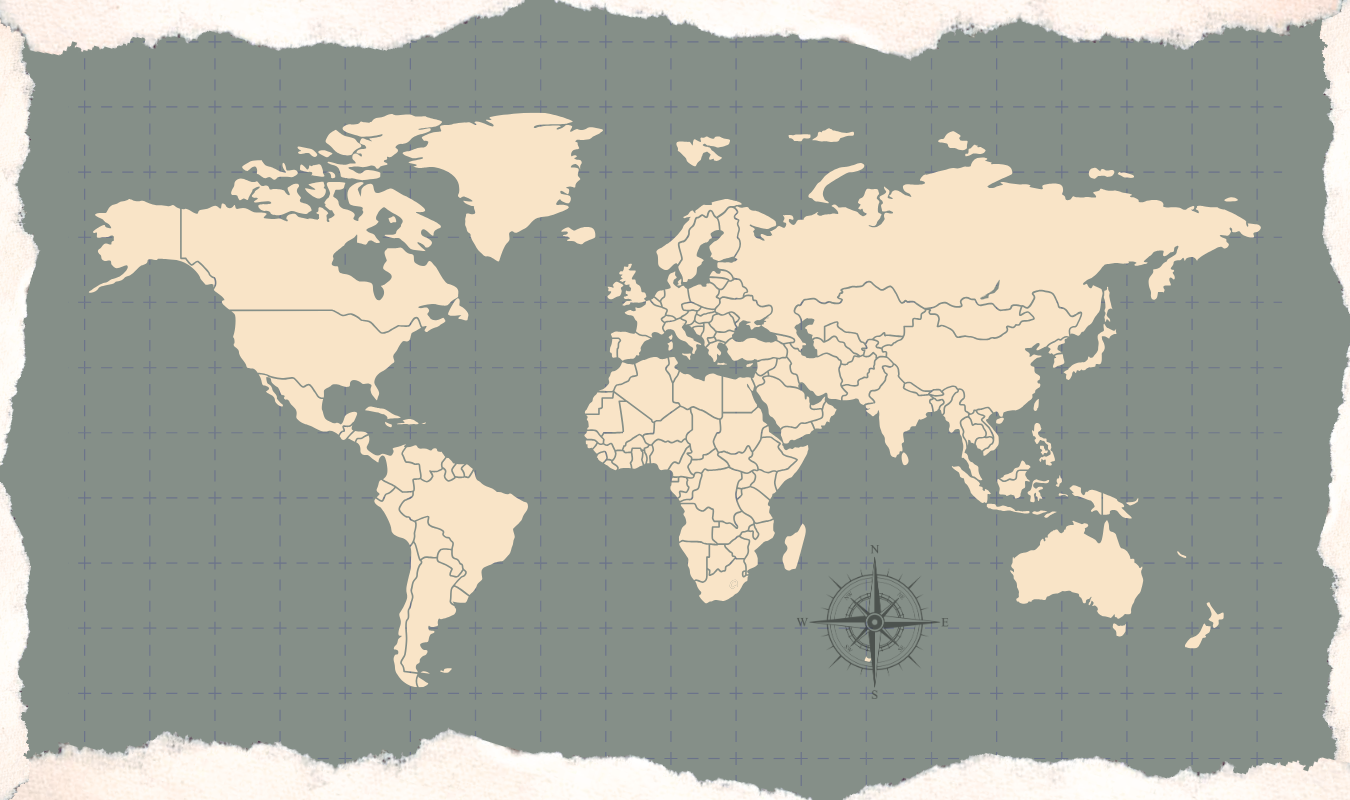
World (Wool) Journey

Every thread has a story. Discover per country where your yarn comes from — the breed, the climate, the tradition and why it knits so beautifully.

12countries
·
40+yarn varieties
·
centuriestradition
IJsland
Noorwegen
Schotland
Ierland
Nederland
Italië
Turkije
Japan
Mongolië
Peru
Uruguay
Australië

Click a country

Scroll down for detailed country profiles ↓

Iceland
01

Iceland

Lopi · The wool of the volcanoes
Lopi Robust Unscoured

The Icelandic sheep is one of the oldest and most pristine sheep breeds in the world — direct descendants of the animals the Vikings brought over a thousand years ago. Isolated from other breeds, it developed a unique double-layered fleece: the coarse tog (outer layer, water-repellent) and the soft þel (inner layer, insulating). Lopi yarn is spun from both layers together, making it light, warm and breathable — perfect for the harsh Icelandic winters.

BreedIcelandic sheep
StructureAiry, unscoured
Needle4.5–6 mm
CharacterWarm, light, robust
Knitting tip: Lopi shrinks significantly if washed too hot — always use cold water and a gentle wool detergent. Lay flat to dry on a towel. A washed Lopapeysa becomes softer and gains more body.
Norway
02

Norway

Dale · Wool of the fjords
Strikkegarn Strong Colourfas

Norway has a rich knitting tradition dating back to the Vikings. The Norwegian sheep produces a sturdy, resilient wool ideal for the famous Norwegian patterns with their geometric motifs. Dale of Norway is world-renowned for its high-quality Norsk Strikk yarns.

BreedNorwegian sheep
StructureSturdy, resilient
Needle3.5–5 mm
CharacterStrong, colourfast
Knitting tip: Norwegian patterns work best with a firm, even tension. Practice on a swatch before starting a large colourwork project.
Scotland
03

Scotland

Shetland · Fine as lace
Shetland Fair Isle Fine

The Shetland Islands produce one of the most beloved wools in the world. Shetland wool is fine, soft and resilient — ideal for the colourful Fair Isle patterns for which the islands are world-famous. The local sheep breed has adapted to the harsh climate.

BreedShetland sheep
StructureFine, resilient
Needle2.5–3.5 mm
CharacterLight, warm, colourful
Knitting tip: Shetland wool is perfect for colourwork due to its smooth surface. The yarns glide smoothly over the needle and give sharp colour transitions.
Peru
04

Peru

Alpaca · Softer than silk
Alpaca Baby Alpaca Hypoallergenic

High in the Andes, at an altitude of 4000 metres, live the alpacas that produce the finest fibres in the world. Baby alpaca — the first shearing of a young animal — is softer than cashmere and hypoallergenic. The Incas regarded alpaca wool as the gold of the gods.

BreedAlpaca (Huacaya)
StructureSoft, lustrous
Needle3.5–5 mm
CharacterWarm, hypoallergenic
Knitting tip: Alpaca has little elasticity — knit slightly tighter than usual. Combine with a small percentage of nylon or merino for more resilience in socks or cuffs.
Mongolia
05

Mongolia

Cashmere · The royal fibre
Cashmere Luxury Fine

The Mongolian goat produces the most coveted fibre in the world: cashmere. Every spring the soft undercoat is combed by hand — one goat yields only 150-200 grams per year. The extreme temperature fluctuations of the Mongolian steppe give the goat its exceptionally insulating fleece.

BreedCashmere goat
StructureUltra fine, soft
Needle2.5–4 mm
CharacterLuxurious, insulating
Knitting tip: Cashmere is delicate — always hand wash in lukewarm water. Never wring, always dry flat. Pilling is normal; use a wool comb for maintenance.
Australia
06

Australia

Merino · The gold standard
Merino Superfine Large volume

Australia is the world's largest producer of merino wool. The dry climate and vast pastures are ideal for the Merino sheep, which produces an exceptionally fine, soft wool. Superfine Merino (under 18.5 microns) is so fine it can be worn directly against the skin.

BreedMerino sheep
StructureFine, soft, elastic
Needle3–4.5 mm
CharacterVersatile, washable
Knitting tip: Superwash Merino can be machine washed — ideal for children's clothing and socks. Always check the label for the correct washing temperature.
Turkey
07

Turkey

Angora · Light as a cloud
Angora Mohair Soft

Turkey is the world's largest producer of mohair, obtained from Angora goats bred in the Ankara region. Mohair has a characteristic lustre and halo that other fibres cannot match. It is strong, durable and takes dye exceptionally well.

BreedAngora goat
StructureLustrous, halo effect
Needle4–6 mm
CharacterAiry, lustrous
Knitting tip: Combine thin mohair with another thread for grip and structure. Kid mohair on larger needles gives a beautiful airy, light effect in shawls and wraps.
Japan
08

Japan

Precision · The art of yarn
Nishikigoi Precision Innovative

Japan is renowned for its exceptional yarn quality and innovative blends. Japanese yarn manufacturers combine traditional techniques with modern materials — from bamboo and silk to high-quality merino blends. The Hamanaka and Daruma brands are globally valued for their consistency and refinement.

BreedVarious blends
StructurePrecise, consistent
Needle2–5 mm
CharacterRefined, innovative
Knitting tip: Japanese yarns are excellent for amigurumi and fine crochet and knitting. The consistent quality makes them ideal for patterns where precision is essential.
Italy
09

Italy

Luxury · Silk and refinement
Silk Extrafine Luxury

Italy is the heart of luxury yarns in Europe. From the Biella region in Piedmont come the most refined wool and cashmere yarns in the world. Italian spinners such as Filatura di Crosa and Lana Grossa combine craftsmanship with fashion aesthetics.

BreedExtrafine Merino / Silk
StructureRefined, lustrous
Needle2.5–4.5 mm
CharacterLuxurious, fashion-forward
Knitting tip: Italian yarns are often seasonal — buy enough of the same lot. Save leftovers for repairs, as colour nuances can vary between lots.
Uruguay
10

Uruguay

Malabrigo · Hand-dyed and unique
Malabrigo Hand-dyed Merino

Uruguay has one of the highest sheep-per-person ratios in the world. The brand Malabrigo — literally "bad harbour" — is world-famous for its hand-dyed, single-ply merino yarns that show every colour differently. Each lot is unique.

BreedMerino / Corriedale
StructureSpun, full
Needle4.5–5.5 mm
CharacterRich, variable
Knitting tip: Always buy enough of the same dyelot — but deliberately switch between lots in a new project for a vibrant hand-dyed look. Hand wash in lukewarm water.
Netherlands
11

Netherlands

Texel · Local & robust
Texel Local Sustainable

The Netherlands has a rich sheep tradition. The Texel breed — bred on the Wadden Island of Texel — produces a sturdy, robust wool excellent for outerwear and household items. More and more Dutch wool farms offer local, traceable yarn — from farmer to knitting needle.

BreedTexel sheep
StructureSturdy, full
Needle4–6 mm
CharacterRobust, sustainable
Knitting tip: Texel yarns are ideal for bags, rugs and outdoor projects. They become softer after washing. Find local wool farms via the Dutch Wool Cooperative for the most sustainable choice.
Ireland
12

Ireland

Aran · Wool of the islands
Aran Donegal Traditional

Ireland is inextricably linked with the knitting tradition. From the rugged Aran Islands to the hills of Donegal — Irish yarn has character. Donegal tweed, with its colourful flecks, is one of the most recognisable yarns in the world. The story of the Aran fisherman's sweater is deeply woven into Irish identity.

BreedIrish sheep / Blackface
StructureRobust, with character
Needle4–6 mm
CharacterTraditional, durable
Knitting tip: Irish yarn is ideal for cables and textured patterns — the fibre has enough body to show structure well. Pre-wash before use to prevent shrinkage.

Start your Yarn journey

Record your projects in the knitting journal — which yarn, which country, which needle size.

Create free account Log in